3 Things You Should Do If You’re Interested in Nutraceutricals

Neutraceuticals are food-based products that combine nutritional and medicinal benefits. You can take nutraceuticals for a variety of reasons to address many different concerns. If you are considering adding a nutraceutical product to your lifestyle, here are three things you should do.

1. Discuss With Your Physician

If you’re making changes to your diet or supplement regimen, it’s important to talk with your healthcare provider first. This is especially true if you are considering using nutraceuticals to address a condition rather than to promote general wellness. A doctor can help you identify if any aspects of your nutritional regime are potentially harmful. Furthermore, a medical professional may be able to make recommendations for products that can address health issues.

2. Find a Quality Vendor

When choosing nutraceuticals Clarkston MI to add to your diet, you should look for a vendor who is open and reliable and offers quality products. Doing some research and reading online reviews can help you make your selection. Don’t be afraid to ask questions directly when deciding on a nutraceutical product. You can get a better sense of the company and its values by taking some time to speak with them directly.

3. Understand Potential Benefits

You should not add a product to your life without understanding its benefits. Neutraceuticals can help support proper digestion and can act as anti-oxidants which may aid in protecting the body from cellular damage. In addition, some supplements may address concerns like immune support, mental and physical performance and general wellness. Take a moment to explore and define your own wellness concerns and then compare them to the benefits offered by nutraceuticals you’re considering.

Nutrition can play an important role in our general health and wellness. The interactions between food and medicine can be complex, so you should consult a medical provider, look for quality products and sellers and always do your research.

Tools Every Gardener Should Own

If you love gardening, then you know that it can be a lot of work. That is why it is vital that you have the correct tools for the job. When you use the right tools, you work smarter, not harder. Here are some tools that every gardener should own. 

Pitchfork

A pitchfork is an incredibly helpful tool in the garden and one that many people overlook. There are many different sizes of pitchforks that you can use for different tasks. One of the most common uses for them is to pick up and move hay, straw, or leaves. You can also use them to dig up root vegetables, such as potatoes, without damaging them. 

Garden Cart

When you’re gardening, you might find that you have heavy things to lug back and forth. Whether it’s bags of soil or mulch or large yields from your garden, use a garden cart instead of destroying your backs and legs by carrying everything. You can get carts with deep buckets that have sturdy, leveling casters so the carts don’t fall over on uneven ground. You’ll find that you can do a lot more in a day and aren’t so worn out when you let the cart do all of the heavy lifting. 

Hoe

The only thing that is guaranteed with gardening is that you will have to deal with weeds at one point. You could get on your hands and knees and shuffle around the garden, pulling them all, or you could use a hoe. Hoes come with different heads depending on the specific way you want to use them. You could use a stirrup hoe to remove the top surface of the weeds, or you could use a paddle hoe to cut into the ground and remove the weed from the root. 

Gloves

Gardening can be incredibly hard on your hands. You need to cut back roses and trees, pull weeds, dig out rocks, and harvest your haul, which can all be dirty and can cause damage to your hands. If you have strong, spiky weeds or plants in your yard, then you’ll want to invest in some long leather gloves, whereas some simple cotton gloves will work just fine for weeding and planting. 

Boots

A quick way to ruin your favorite pair of shoes is to use them while you’re gardening. The dirt and mud can stain them, and you might find your feet get soaking wet from the elements. Instead, invest in a pair of waterproof boots that you can wear while gardening. You can hose them off if they get dirty, and they won’t get destroyed if you accidentally step in a mud patch. 

3 Ways to Enhance Guest Experience at Your Hotel

The guest experience at any hotel is the driving factor behind its success. It’s imperative to constantly be listening to guest reviews, updating old technology, and improving the guest experience overall. Here are three things you can do to improve the quality of your guest’s stay and ensure they will want to return. 

1. Update Technology

Technology is fast-changing in today’s world and you should do your best to keep up with it. You should consider upgrading your televisions, adding in additional outlets to charge electronics, and putting in analog cordless telephones. These are all seemingly small changes that will have a big impact on the guests’ comfort and satisfaction during their stay. 

2. Be the Expert on Your City

You don’t need full concierge service to offer advice to people visiting your city for the first time. As you engage in normal, everyday conversations with your guests you’ll be able to offer ideas and advice for how they can best enjoy their time. They will be impressed with your knowledge and your desire to help them, at little to no cost to you. 

3. Serve a Great Breakfast

Everyone wants to eat a good breakfast, but it’s especially helpful if they are tired from traveling or all-day meetings. Make sure your breakfast foods are foods people love to eat. Cereal and muffins are okay, but including warm foods like waffles, bacon, and eggs will stick out to them as an exceptional hotel breakfast. Pay close attention to what foods guests actually eat and consider asking for recommendations for how you can improve their breakfast experience. 

These are just a few small improvements you can make to improve the guest experience at your hotel. The most important thing is to put yourself in their shoes and think about what can make their time with you as comfortable and stress-free as possible. This will ensure guest satisfaction and help your hotel stay busy and happy.  

Tips to Maintain Your Gas Fireplace

If you have a wood-burning fireplace, you probably expect to maintain it. However, what you may not realize is that gas fireplaces require maintenance too.

Keep reading to learn about gas fireplace maintenance Denver and how to keep things running efficiently and safely.

Clean the Glass as Needed

Some gas fireplace doors can be removed for easy cleaning. It’s best to look at the owner’s manual to find out how to do this safely. Remove the glass doors and place them on a plastic bag or newsprint to protect the flooring or table under it.

Wipe the glass firmly using a soft cloth sprayed with window cleaner. If there are stubborn soot spots on the glass, you can use a fireplace cleanser or a ceramic cleaner to rinse away residue using a damp, clean cloth. Make sure to dry the glass completely and wait a minimum of 30 minutes before you use the fireplace.

Clean the Interior

You can use the wand attachment on your vacuum to remove debris and dust from the inside of your fireplace. If you use lava rocks, cover the hose’s opening with an old stocking or cheesecloth to ensure they aren’t sucked up.

Clean the Logs

Gas fireplace logs require minimal maintenance and cleaning. If soot starts to build up and the gas logs appear discolored, you can take them out and remove the soot using a soft-bristled brush. Never dampen or wash the logs, as this can face or damage the finish. You should never use cleaners on the logs, either.

Keeping your gas fireplace properly maintained will pay off and help ensure it continues to operate safely and efficiently. When the fireplace is being used, it’s best to provide this maintenance a few times a year. By doing this, you can also catch any problems that arise. 

Concealed Handgun Holsters

When looking to use a gun holster, there can be many factors to think about. What a handgun needs will vary because of its make and model. The larger the gun, the harder it is to conceal for carrying. Some places offer the option for you to open carry depending on the state and federal regulations. Having a safe and reliable way to holster your gun is important. Here are three ways to conceal carry one.

Hip

Having a hip holster is an easy way to carry your handgun. It offers complete ease for getting it quickly. It can be used for competition shooting because of its fast accessibility. If you decide to wear a jacket or coat, it can go over your hip offering a simple way to conceal carry. A hip holster can be slim or bulky depending on where it’s at on your body.

Thigh

Another option for carrying is by using a thigh holster. This is a popular way for women to carry their handguns. It needs to be slim so it can offer comfort and stability while walking or doing everyday activities. The accessibility for retrieving the gun can be harder in this location, so wearing the proper clothes is important.

Ankle

Carrying a handgun on your ankle can be tricky, but it can offer another option that is best for allowing you to do your daily activities. If you are carrying on your ankle, you will need a concealed ankle holster that will fit you properly and won’t be showing through your pants. Having a flexible material will help it wrap around your leg and keep you comfortable while walking with it.

A handgun is a valuable, yet dangerous weapon. Choosing the proper material, style, and size holster are important for the safety of you and others around you.

A Brief and Simple Truth About Propylene Glycol

Anyone can post anything on the internet. You could be reading propaganda in the very next post or webpage you see. In the information age, fact-checking has risen rapidly in necessity and ease. Perhaps you’ve come across alarmist information claiming propylene glycol is a horrible toxic chemical that is being secretly shoved into your body? That’s quite far from true. While you should of course fact check this post as well, here is a brief guide to what propylene glycol actually is. Propylene glycol is a type of alcohol, but not the kind you drink. What it excels at is acting as a solvent. A solvent dissolves other things and is the liquid in which the other, usually more important ingredients are floating after being dissolved.

You May Have Worn It on Your Face

Whether deodorant, makeup, or a skincare regimen, you’ve probably rubbed propylene glycol on yourself before. While there are plenty of propylene glycol free skin care kits on the market, which is wonderful, the chemical is tested by the FDA and “generally recognized as safe”. Yes, that is one of their classifications.

You Eat It Regularly

Unless you were born rich and have remained so, you’ve almost certainly ingested propylene glycol. You may be eating it right now. That’s fine. It’s used in foods and medicines mainly as a solvent and for a variety of other purposes.

You Can Be Allergic to It

As with nearly anything, you could be allergic or sensitive to propylene glycol, in which case avoiding it is wise. However, the chemical is not considered toxic except in much higher amounts than you come across on the day-to-day.If makeup is irritating your skin, it could be the propylene glycol. It could be some other ingredient. Your best course of action is to do your homework, don’t trust the first or even third article you read, and be informed. Scientific journals or reviews with cited and credible–big caveat there–sources are best. Don’t forget to get an allergy test from your doctor if need be.

Alternative Prepping & Survival – Angry American, Author of Prepper Fiction Survivalist Series (Book 3)

Chris Weatherman, Author

Books available at Amazon.com, WalMart, and most bookstores. Signed copies available from www.AngeryAmerican.net

All books are available in in print, Kindle reader, and audio books!

Doctor Prepper interviews Chris Weatherman, aka Angery American on Preparedness Radio.


Can you imagine what a war on our American soil––whether internally- or externally-driven––could do to our personal lives and force us to revert to living without the modern conveniences to which we have become accustomed?

The author of this extensive series of apocalyptic fiction, Chris Weatherman, aka the Angery American, is an accomplished and imaginative author, currently with 6 books in this series. Chris has authored the tremendously popular best-selling Survivalist Series consisting of six titles to date, with a 7th in progress. Beginning with Going Home and following with Surviving Home, Escaping Home, Forsaking Home, Resurrecting Home, and Enforcing Home.

American is a life-long student of survival skills, from urban and suburban settings to far wilder locations. He has honed these skills for decades and has spent a considerable amount of time wandering the woods and waters of the Southeast U.S.

At home in the swamps of the South and the mountains of Appalachia, he also spent a year in North Carolina, honing his skills foraging, hunting, and fishing using primitive methods. After practicing the art of bushcraft for more than 20 years, A. American views himself as a mix between a modern-day prepper and traditional survivalist.

As an avid outdoorsman, traditional bow hunter, and archer, he also has a vast knowledge of wild edibles and natural medicine that could help anyone survive in the wild.

Book Summary

Morgan Carter was introduced as the unlikely hero in the first volume, and he continues to navigate the perils in a post-apocalyptic America. This action-packed series gives a glimpse of what life could be in this country in the event of an EMP style attack.

In the 3rd volume, Escaping Home, Chris continues the imagery of what might occur and what might result from the inequities caused by a major incident of an EMP in our nation.


Morgan Carter has weathered the weeks after the collapse of the nation’s power grid, reuniting with his family and ensuring their safety, but his struggle isn’t over yet. Carter must keep his focus on survival in an increasingly unstable society—but the challenges he faces are beyond his wildest imagination.

Though he is a resourceful, tough-as-nails survivalist who has survived a 250-mile journey across Florida following the collapse of the nation’s power grid, his home town and his own family of a wife and loving daughters are beginning to suffer the effects of the sudden imposition of lack of means to deal with the current crises arising from the loss of electricity.

Everyone seems susceptible to the rigors of lack of supplies, leadership, and hope. Even as bad as things have become, Morgan knows it can only get worse. Though Morgan has been diligently preparing for emergency situations, many of  his neighbors are completely unready for the changes wrought by the EMP and the strange new world it has created.


With the  help of his closest neighbors and community companions, Morgan fights to keep his own home secure while  helping his friends organize their lives. As Morgan is  trying to build a community and help them create safety and security for themselves, he discovers shocking information about the state of the nation and how the future is even bleaker than ever imagined!

After the collapse of the nation’s power grid, America is now under martial law––and safety and security are just illusions of the past sanctity of home and property. As the increasing violence erupts around him, Morgan faces one of his toughest decisions yet: whether to stay and defend his home, or move to a more isolated area, and get away from the prying eyes of the new government. He and his family are hesitant to leave their home in the sparsely populated county, but with the increasingly suspicious activities happening in a nearby refugee camp, the signs point towards moving to a safer place. However, Morgan and his friends are not going to leave without a fight––and they’ll do anything to protect their freedoms.

Escaping Home describes the struggle to live in  a world with no rules––and how, sometimes, the strength of the family is the only thing that can pull you through when everything has changed!

There is a term for that eventuality: T.E.O.T.W.A.W.K.I.––the end of the earth as we know it!

Perhaps this series will alert the reader to consider becoming prepared—or even getting better prepared––for the uncertain future.

The Survivalist Series tells how the survivors have endured the collapse––but the real test is to determine if they can survive the aftermath…

Self-Mastery & Life Knowledge through Yoga and Ayurveda

This weeks interview is with Patricia Wickman, founder, director, and principal instructor for the Radiant Living Online School of Ayurveda in San Antonio TX. She delights in sharing knowledge and wisdom with her students and clients. Patricia is first of her discipline to be a part of the Preparedness Radio Network! She is a:

Registered Yoga Teacher

Certified Ayurvedic Practitioner

Certified Panchakarma Technician

Patricia can be reached at: contact [at] rlyaa [dot] com. She conducts her personal teaching and studies at:

San Antonio Yoga Center

11011 Shaenfield Rd.

San Antonio, TX 78254

Registered Yoga Teacher –– YOGA is a process of balancing all aspects of life with “mindful action.” A wonderfully beneficial tool when used properly, if misused can be harmful. Yoga is not an athletic activity and is not practiced as such. Patricia accomplished her yoga teacher training at the 250-hour level at the Soma Yoga Studio (Salt Lake City UT). She has been teaching yoga for ten years.

Certified Ayurvedic Practitioner––studied Ayurveda for three years (1,498 hours) at the Kanyakumari Ayurveda and Wellness Center (Milwaukee WI) and has been an Ayurvedic Practitioner for 6 years. Patricia has worked privately with more than 350 clients, providing them with:

Ayurvedic Body Work to provide body therapies.

Ayurvedic consultations and at-home cleansing and rejuvenating programs

Panchakarma Therapy––guided dozens of people through full panchakarma training and treatment

Her life is helping others add a dimension of self-mastery to their lives. She feels we’ll certainly need those skills and techniques as the pressures of life continue to increase and demand new personal and family behavioral and management modalities and skills. She’s sure no one will have too many means or methods to deal with the effects of future political, financial, economic, mental/emotional, moral, and perhaps even the physical aspects of the ever-changing American society. There will always be the threats of natural (i.e. weather-related or geological) disasters, man-caused disasters, and of course, the constant incidence of personal disasters….!!!

Patricia has a degree in French language and taught it for 6 years at two Universities and various elementary and middle schools. She currently lives in San Antonio, TX with her husband and two children.  Her husband is a professor at the University of Texas–San Antonio.

How to Treat Wastewater

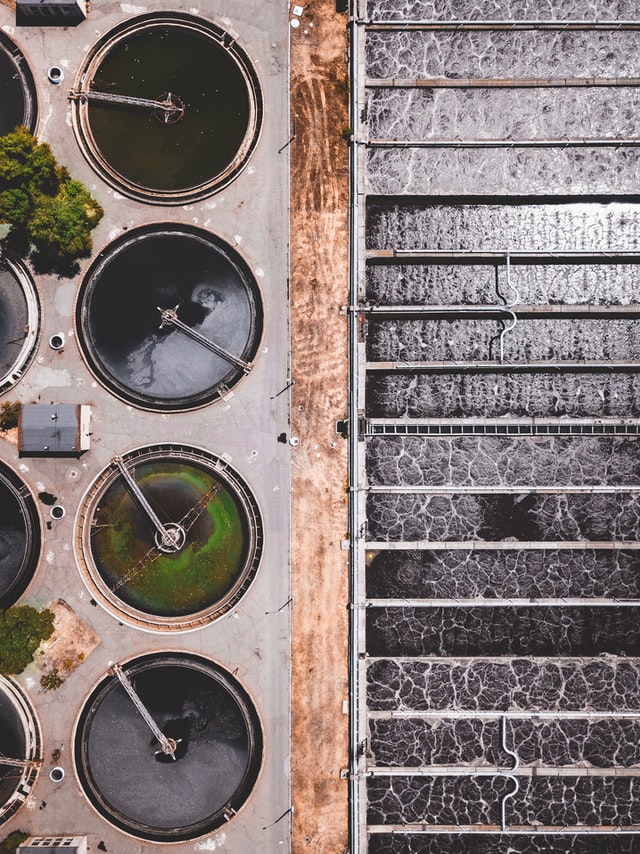
Wastewater can be incredibly damaging to the environment if not treated properly. The process of treating wastewater is used to remove chemicals and contaminants and allow for the water to be reused or disposed of in a way that minimizes harmful impact on the environment. There are several different ways to treat wastewater depending on the type of chemicals and contaminants you are dealing with. Here are a few examples.

Sludge Dewatering

Large wastewater treatment plants use sludge dewatering to properly separate sludge into its liquid and solid components, although will often not treat the individual components directly. These components must be processed accordingly, as there may be contaminants or pollutants present. Sludge dewatering allows you to minimize volume and weight so the separated elements can be treated in the most economical way possible. Many other types of wastewater treatment use sludge dewatering in their treatment process. 

Effluent Treatment Plants

Chemical and pharmaceutical companies use effluent treatment plants to purify water and get rid of chemicals in the manufacturing of drugs. Effluent treatment plants use drying and evaporation to get rid of pollution, as well as filter out non-toxic materials, debris, or polymers from drugs being manufactured. Ensuring a proper wastewater treatment is critical to the safe manufacturing of pharmaceuticals. 

Sewage Treatment Plants

Household sewage is treated through domestic wastewater treatment plants. The sewage is filtered several times using physical, chemical, and methods to remove contaminants. Some materials is safely disposed of, and the resulting water is treated to remove waste and toxins. After being sanitized, the remaining water can be reused for other purposes. 

Wastewater treatment is essential to maintaining a safe and sanitary environment. There are several methods that leave minimum impact on the environment. Be sure to consider the best method of treatment and disposal when preparing to treat your wastewater.